 Fabo Company
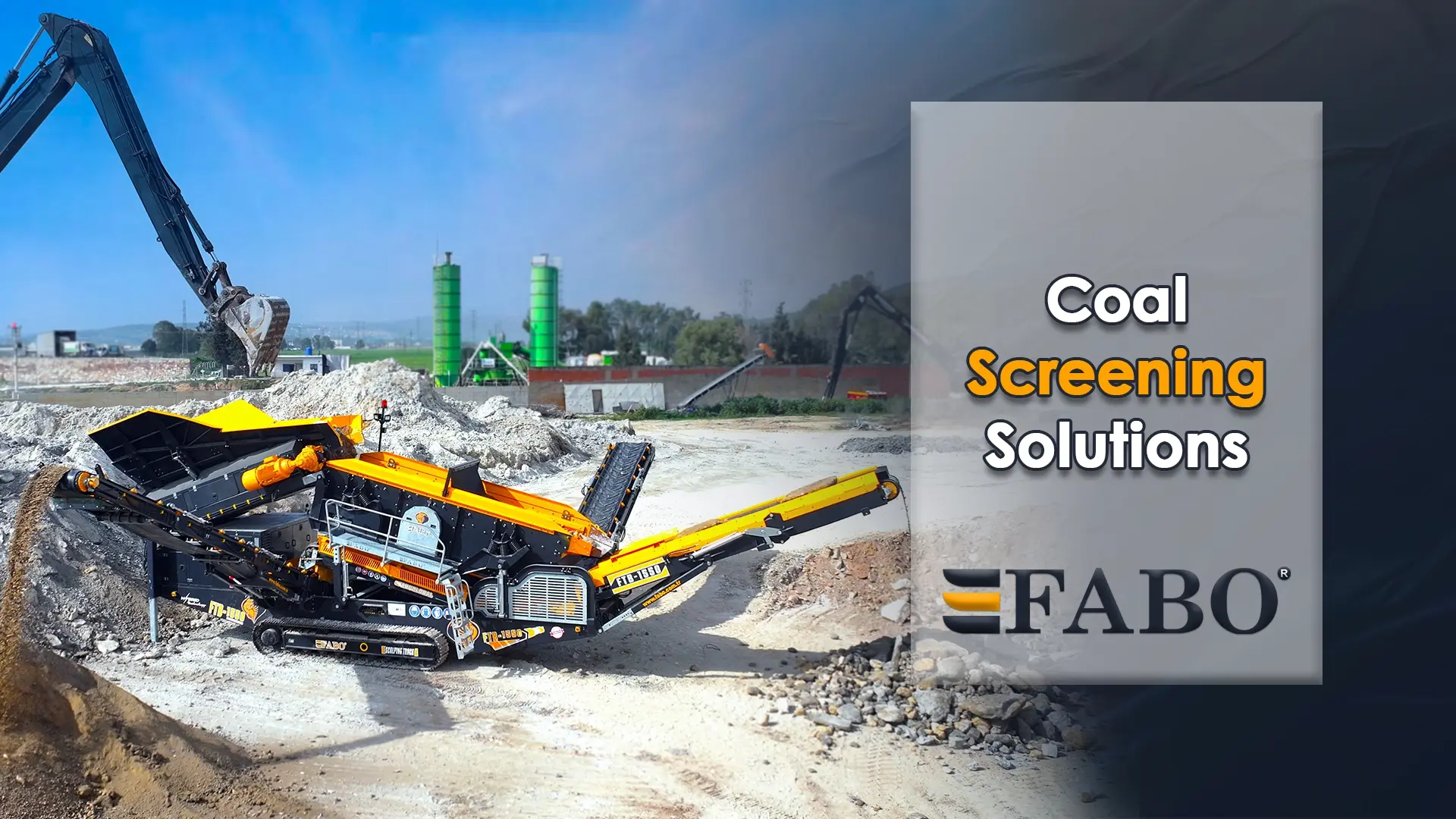
In coal processing operations, efficiency is never the result of a single machine working well—it comes from the harmony of the entire system. One of the most overlooked yet most influential stages in this process is coal screening. When screening is done correctly, everything downstream works smoother. When it isn’t, productivity drops, costs rise, and quality becomes inconsistent. Screening process is far more than a simple separation step. It determines material flow, protects critical equipment, and ensures that coal meets the size and quality expectations of the next processing stage. As production demands grow and operational margins become tighter, modern coal screening solutions are no longer optional—they are essential.
What Is Coal Screening and Why Is It Critical in Coal Processing?
Coal Screening is the process of separating raw coal into defined size fractions using mechanical screening systems so that each particle is directed to the appropriate stage of processing, ensuring a balanced and efficient workflow throughout the plant. In real-world operations, run-of-mine coal does not arrive in uniform dimensions; it contains a mixture of oversized lumps, correctly sized material, and excessive fines. Without proper size classification, large particles can overload crushers and reduce crushing efficiency, while fine material may clog transfer points, create dust issues, and negatively affect washing and blending performance. A well-designed screening system establishes a controlled and predictable material flow, stabilizes feed rates to downstream equipment, and improves overall plant capacity. It also plays a critical protective role by removing unsuitable material before it reaches crushers, conveyors, and washing units, thereby minimizing mechanical stress, reducing wear on components, lowering maintenance costs, and decreasing unplanned downtime. As a result, screening directly contributes to consistent product quality, optimized energy consumption, and more reliable daily plant operations.
Fabo Company's FTB 15-50 Series for Coal Screening
Fabo Company adopts a practical and performance-oriented approach to Coal Screening solutions by combining advanced engineering expertise with hands-on field experience, ensuring that every system delivers durability, efficiency, and long-term operational reliability under demanding working conditions. Designed to maintain continuous and stable performance, Fabo’s equipment focuses on optimizing material flow, minimizing wear, and supporting consistent production output.
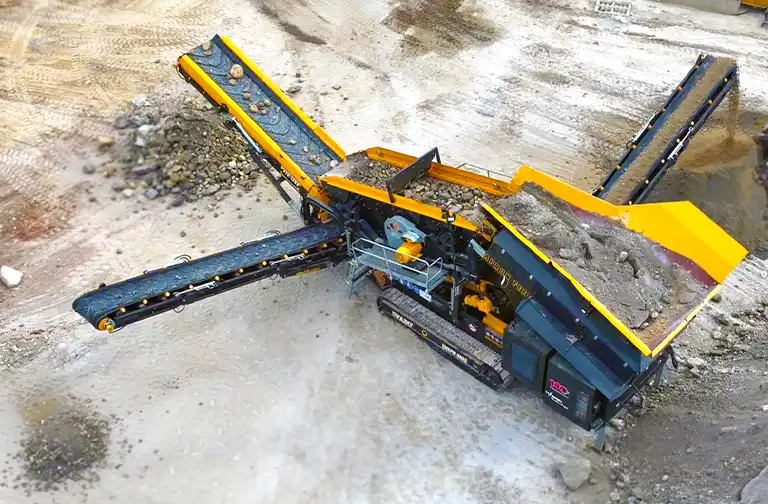
A strong example of this philosophy is the FTB 15-50 Tracked Scalper Screen, a high-capacity mobile screening plant engineered for flexible pre-screening and scalping applications. This model efficiently separates coal by size before crushing or further processing, reducing unnecessary load on downstream crushers and conveyors, improving overall system efficiency, lowering maintenance requirements, and enhancing the stability of the entire processing operation.
The FTB 15-50 stands out with its tracked mobility, enabling easy relocation across the site while maintaining strong stability during operation, making it highly suitable for dynamic production environments. Its robust screen body and high-performance screening deck ensure precise separation of various coal particle sizes, even when processing abrasive or inconsistent feed material. This combination of mobility, durability, and accuracy allows for fast setup times, reliable throughput, and consistent results. Engineered to adapt to different material characteristics and production demands, Fabo Company’s equipment range—from heavy-duty vibrating screens to fully integrated crushing and screening systems—is designed to provide precise classification, operational flexibility, and long-term dependable performance, helping coal processing facilities increase productivity while reducing overall operating costs.
How Improves Product Quality and Operational Efficiency
One of the most important benefits of Coal Screening is the consistency it brings to overall production, as accurate size classification ensures the final product consistently meets required specifications—an essential factor for customer satisfaction, efficient storage, and downstream processes that rely on uniform material properties. When coal is separated precisely, material flow becomes smoother throughout the plant, enabling crushers to operate at optimal capacity and conveyors to run without blockages or unnecessary strain, which directly improves operational efficiency and throughput. In addition, correct size separation minimizes waste and prevents valuable material from being recirculated or lost in the system, reducing energy consumption and equipment wear. Over time, this optimized workflow leads to lower operating costs, better utilization of installed capacity, and stronger, more stable plant performance.
Screening Solutions for Different Particle Sizes and Throughput Needs
No two coal processing plants operate under identical conditions, as variations in material composition, moisture content, feed size distribution, and production goals directly influence the type of Coal Screening solution required. For this reason, modern screening systems are engineered with flexibility in mind, allowing operators to adapt to changing material characteristics while maintaining stable, efficient, and reliable performance over time.
For high-capacity operations handling large volumes of material, heavy-duty vibrating screens deliver the strength and throughput necessary to sustain continuous production. Built with robust structures and powerful vibration mechanisms, these systems manage high feed rates effectively while ensuring consistent separation across the entire screening surface, even under demanding conditions.
When more precise classification is needed, multi-deck screening systems enable several size fractions to be separated in a single pass. This design optimizes space utilization, reduces the need for additional equipment, and enhances overall plant efficiency. With adjustable screen angles, customizable vibration settings, and various screen media options, operators can fine-tune performance to match evolving operational requirements and maintain consistent output quality.
Key Factors That Determine Efficient and Accurate Coal Screening
The performance of a Coal Screening system relies on several critical factors working in harmony, starting with proper screen media selection. The choice of mesh, polyurethane panels, or steel screen surfaces directly influences separation precision, material flow rate, and resistance to abrasion. Selecting the appropriate screen media for the specific coal type and operating conditions not only improves classification accuracy but also reduces wear, extends service life, and lowers maintenance frequency.
Feed distribution is another essential element in achieving high efficiency. When material is unevenly spread across the screening surface, certain areas become overloaded while others remain underutilized, leading to reduced capacity and inconsistent results. Well-designed feeders, controlled discharge points, and optimized flow management systems ensure that material is evenly distributed, helping maintain stable operating conditions and maximizing separation performance.
Vibration parameters also play a decisive role in overall efficiency. The correct balance of vibration speed, amplitude, and stroke allows the material to stratify effectively, enabling finer particles to pass through the apertures while larger particles move forward for further processing. Properly engineered systems maintain this balance even under high feed rates and demanding working conditions, ensuring reliable and consistent operation.
Wet vs Dry Coal Screening: Which Method Delivers Better Results?
Coal Screening can be carried out using either wet or dry methods, and each technique offers distinct operational advantages depending on site conditions. Dry screening is generally preferred when moisture content is low and dust suppression systems are sufficient to maintain environmental control. It is typically more energy-efficient, requires no water management infrastructure, and is ideal for operations where water consumption must be limited or regulatory constraints apply.
Wet screening, on the other hand, is commonly used when the material contains higher moisture levels or a significant amount of fine particles that tend to agglomerate. By introducing water into the process, separation efficiency is improved, screen blinding is reduced, and dust emissions are minimized. In addition, wet processing can enhance material cleanliness by washing away impurities, which is particularly beneficial for applications requiring higher product quality.
The decision between wet and dry methods depends on factors such as coal composition, moisture content, environmental regulations, and the requirements of downstream equipment. Many modern facilities design their systems with the flexibility to accommodate both approaches, allowing operators to adapt quickly to changing material conditions and production demands.
Common Coal Screening Challenges and How Advanced Systems Solve Them
Coal Screening operations frequently encounter challenges such as screen blinding, accelerated wear, and fluctuating separation efficiency, especially when processing fine particles, high-moisture feed, or abrasive material. If systems are not properly engineered for these conditions, performance can decline quickly, leading to reduced capacity, higher maintenance needs, and unstable product quality.
Advanced screening solutions overcome these issues through improved design and technology. Self-cleaning or anti-clogging screen media minimize material buildup, while carefully optimized vibration speed and stroke enhance material stratification and movement across the deck. In addition, reinforced frames, heavy-duty drive mechanisms, and wear-resistant components increase structural durability and extend overall equipment service life under demanding operating conditions.
Automation has also become a key factor in improving reliability. Modern systems can integrate sensors and monitoring tools that track parameters such as vibration performance, feed rate, and screen efficiency in real time. This data enables operators to detect irregularities early, make timely adjustments, reduce unplanned downtime, and maintain consistent, high-level production performance.