 Fabo Company
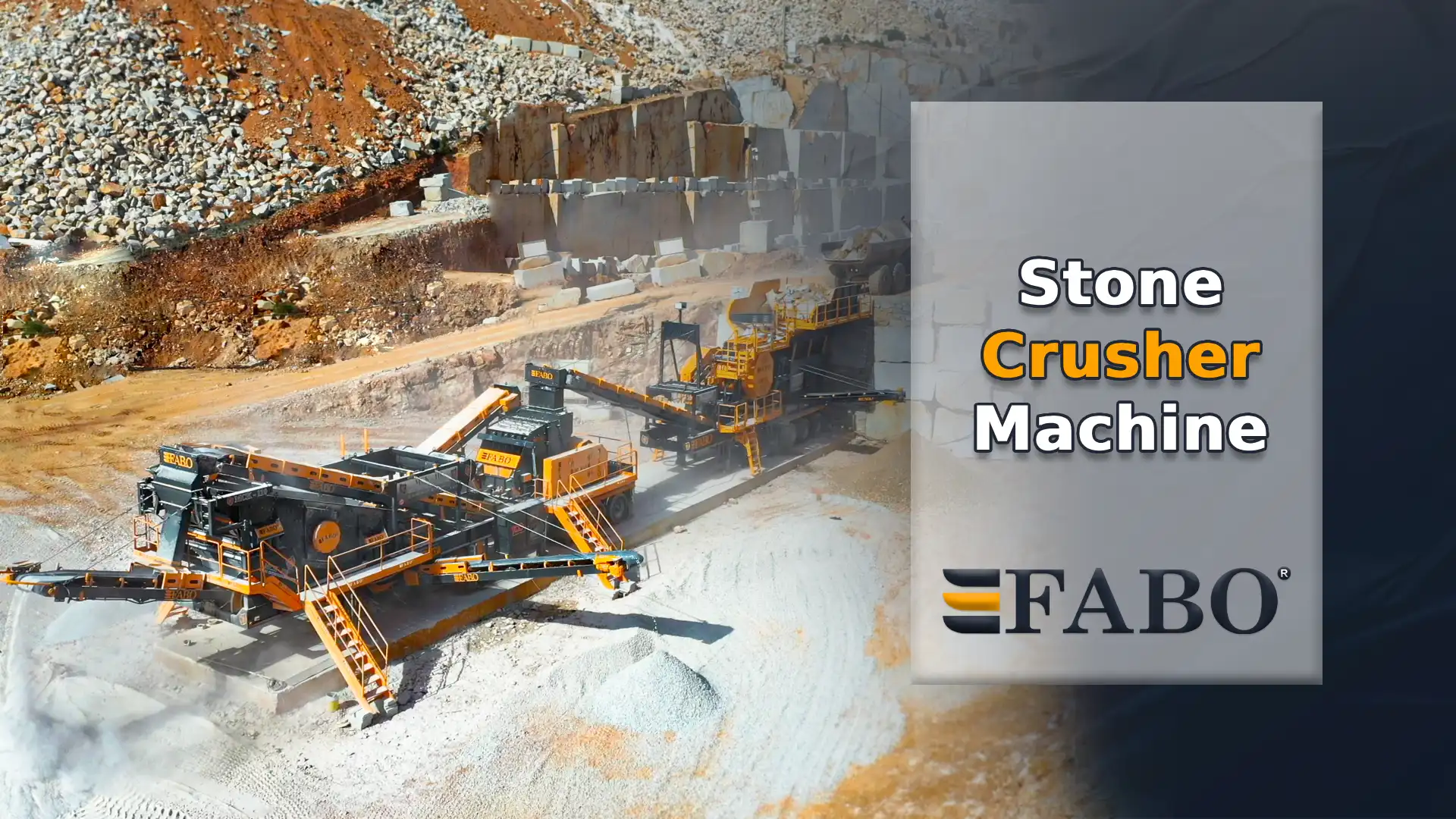
Modern infrastructure, mining, quarrying, and recycling industries depend on efficient material processing to remain competitive. Whether producing aggregates for highways, supplying raw materials for concrete production, or recovering valuable resources from demolition waste, businesses need reliable crushing equipment that can deliver consistent output while controlling operational costs.
A Stone Crusher Machine plays a critical role in transforming large rocks, minerals, concrete debris, and other raw materials into usable sizes for downstream processes. By reducing material size efficiently, these machines help improve production capacity, material quality, transportation efficiency, and overall project profitability. As demand for infrastructure development, sustainable construction, and recycled aggregates continues to grow worldwide, selecting the right Stone Crusher Machine has become an increasingly important investment decision. Understanding how crushing systems work, what affects their performance, and how to maximize return on investment can help operators achieve long-term operational success.
What Is Stone Crusher Machine?
A Stone Crusher Machine is industrial equipment designed to reduce large rocks, ores, concrete blocks, asphalt, and other materials into smaller, manageable sizes for further processing or direct use.
What Does a Stone Crusher Machine Do?
The primary purpose of a Stone Crusher Machine is to:
- Reduce material size
- Produce aggregates with specific gradations
- Improve material handling efficiency
- Support recycling operations
- Prepare materials for screening and further processing
These machines are commonly integrated into crushing and screening plants, aggregate production facilities, mining operations, and recycling plants.
Main Types of Stone Crusher Machines
Depending on the application, several crusher types may be used:
Jaw Crushers
Ideal for primary crushing of hard and abrasive materials.
Impact Crushers
Suitable for producing high-quality aggregates with excellent shape characteristics.
Cone Crushers
Frequently used for secondary and tertiary crushing applications requiring precise particle sizes.
Vertical Shaft Impact (VSI) Crushers
Designed to improve aggregate shape and produce premium sand products.
Each crusher technology serves different production goals and material characteristics.
How Does a Stone Crusher Machine Work in Aggregate, Mining, and Construction Operations?
The working principle of a Stone Crusher Machine is relatively straightforward but highly engineered.
Material Feeding
Raw material enters the crusher through feeders or hoppers designed to regulate material flow.
Crushing Stage
Mechanical forces such as compression, impact, or attrition break the material into smaller particles.
Screening Process
Crushed material passes through screening systems where particles are classified according to size specifications.
Recirculation and Optimization
Oversized materials are returned to the crusher for further reduction, ensuring maximum efficiency and product consistency.
Factors Affecting Crushing Performance
Several variables influence production performance:
- Material hardness
- Moisture content
- Feed size
- Crusher configuration
- Screen efficiency
- Operator expertise
- Automation level
Modern plants increasingly rely on automated control systems to optimize these variables in real time.
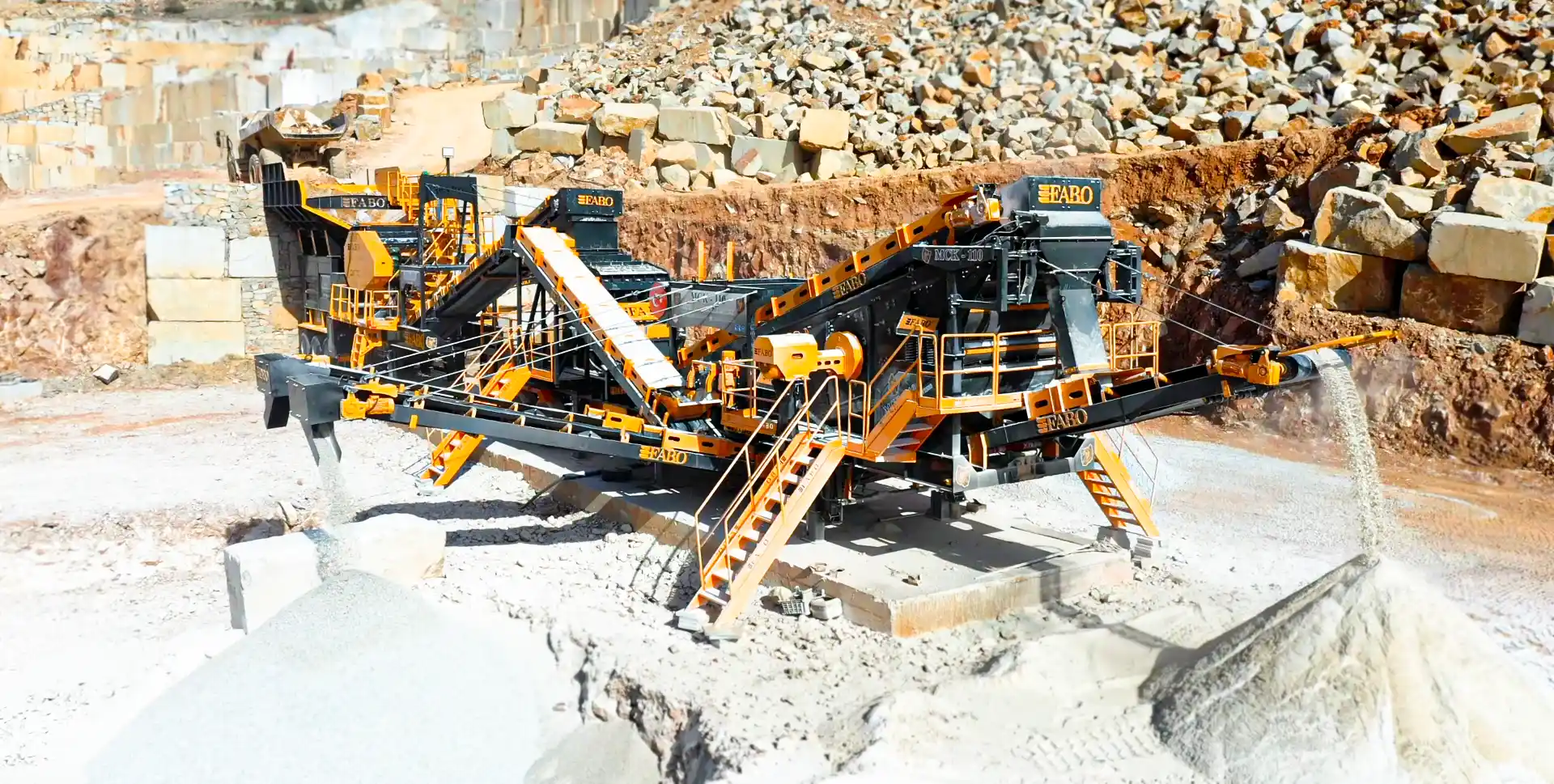
How to Choose the Right Stone Crusher Machine Based on Material Type and Capacity
Selecting the correct Stone Crusher Machine requires a detailed assessment of operational requirements.
Material Characteristics
Different materials require different crushing technologies.
Hard materials such as granite, basalt, and quartz typically require jaw and cone crushers. Softer materials may be processed more efficiently using impact crushers.
Capacity Requirements
Production targets directly influence equipment sizing.
Buyers should evaluate:
- Hourly production requirements
- Peak demand periods
- Future expansion plans
- Shift operations
Choosing equipment solely based on current production often creates bottlenecks later.
Product Size Requirements
Final aggregate specifications significantly impact crusher selection.
Infrastructure projects often require multiple aggregate fractions, making integrated crushing and screening solutions more effective.
Site Conditions
Factors such as available space, transportation access, power availability, and terrain influence plant configuration decisions.
Stone Crusher Machine Applications in Mining, Construction and Recycling Operations
A Stone Crusher Machine serves multiple industries and applications.
Quarry Operations
Quarries rely on crushing systems to transform blasted rock into marketable aggregate products used in construction and infrastructure projects.
Mining Operations
Mining facilities use crushing equipment to reduce ore size before further processing and mineral extraction.
Road Construction
Road contractors require crushed stone for base layers, asphalt production, and drainage systems.
Infrastructure Projects
Large-scale infrastructure developments depend on consistent aggregate supplies to maintain project schedules.
Concrete Production
Concrete plants utilize crushed aggregates as primary raw materials for high-quality concrete manufacturing.
Recycling Facilities
Recycling operations process demolition waste, concrete debris, and reclaimed asphalt to create reusable construction materials.
Mobile vs Stationary Stone Crusher Machine
One of the most common investment decisions involves choosing between mobile and stationary crushing solutions.
Mobile Stone Crusher Machine
Advantages:
- Fast installation
- Easy transportation
- Flexible project deployment
- Reduced material transportation costs
Best suited for:
- Temporary projects
- Multiple job sites
- Demolition operations
- Remote locations
Stationary Stone Crusher Machine
Advantages:
- Higher production capacity
- Lower operating cost per ton
- Greater customization potential
- Long-term operational efficiency
Best suited for:
- Permanent quarries
- Mining operations
- Large aggregate producers
- High-volume production facilities
Why Is FABO Company a Trusted Stone Crusher Manufacturer?
Investing in crushing equipment extends beyond machine specifications. The expertise and support of the manufacturer can significantly impact long-term performance.
Engineering Experience
FABO designs crushing and screening solutions based on real operational requirements across multiple industries.
Manufacturing Quality
High-quality components, precision engineering, and rigorous quality control contribute to equipment reliability and longevity.
Global Project Experience
International project references provide valuable insight into diverse operating conditions and customer requirements.
Automation Technologies
Modern automation systems improve production consistency, equipment protection, and operational efficiency.
Spare Parts Availability
Reliable access to spare parts minimizes downtime and protects production continuity.
Technical Support
Comprehensive after-sales service helps operators maintain peak plant performance throughout the equipment lifecycle.
Customized Solutions
Every project presents unique challenges. Tailored plant configurations help maximize productivity and return on investment.
Stone Crusher Machine Cost and ROI
One of the most frequently asked questions concerns investment cost.
What Determines Stone Crusher Machine Cost?
Several factors influence total investment:
- Plant capacity
- Crusher type
- Automation level
- Number of crushing stages
- Screening equipment
- Mobility requirements
- Material handling systems
For this reason, there is no universal price applicable to all projects.
Understanding ROI
Return on investment depends on several measurable factors:
- Production capacity
- Aggregate selling price
- Equipment utilization rate
- Maintenance costs
- Energy consumption
- Labor requirements
- Downtime reduction
How Modern Technology Improves ROI
Advanced crushing technologies contribute to:
- Higher throughput
- Better aggregate quality
- Lower wear-part consumption
- Reduced energy costs
- Improved equipment availability
These factors directly influence profitability over the life of the plant.
How Stone Crusher Plants Support Recycling and Sustainable Material Processing
Sustainability is becoming a major consideration across construction and industrial sectors.
Processing Construction and Demolition Waste
Modern crushing plants enable the recovery of valuable materials from:
- Concrete waste
- Asphalt waste
- Demolition debris
- Excavation materials
Reducing Landfill Dependence
Recycling operations divert significant volumes of material away from landfills while creating reusable products.
Supporting Circular Economy Principles
Recycled aggregates can often replace virgin materials in many construction applications, reducing environmental impact.
Lower Transportation Emissions
On-site crushing reduces hauling requirements, helping lower fuel consumption and transportation costs.
Meeting Sustainability Goals
Many contractors and infrastructure investors increasingly prioritize environmentally responsible material processing solutions.